

Written by Ashlie — Certified Canine Enrichment Technician (DN‑CET), M.S. Psychology (ABA focus), and founder of Canine Brain Games.
Jump to:
Before You Start | 50 Dog Enrichment Activities
50 dog enrichment activities are waiting for you at the end of this article, organized by play style (Chewer/Chaser/Cuddler/Forager)! You do not need a house full of fancy toys to give your dog meaningful enrichment.
A lot of the time, the best activities start with what you already have: a towel, a cardboard box, a muffin tin, a few treats, and a little curiosity. What matters most is not how expensive the activity is. It is how well it matches what your dog naturally enjoys.
Enrichment is not about keeping your dog busy just to burn time. It is about giving your dog safe, practical ways to sniff, search, shred, chew, chase, explore, and learn. When you match the activity to your dog’s play style, enrichment gets easier, more effective, and a lot more fun for both of you.
Some dogs want to forage and sniff. Some want to chase and grab. Some want to chew, problem-solve, or stay close and work with you. That is why this list is sorted by play style. You can start where your dog already feels confident, then build from there.
If you have ever felt like enrichment sounds helpful but also a little overwhelming, you are not alone. This post is here to make it simpler. You do not need to do everything. You just need one good place to start.
Before You Start
Before you jump into the list, keep these simple setup notes in mind.
Keep it safe
Always choose dog-safe materials and supervise when needed, especially if your dog likes to shred, swallow pieces, or gets frustrated quickly. If something becomes too small, too damaged, or unsafe, swap it out.
Match the activity to your dog
Your dog’s age, size, confidence level, physical ability, and play style all matter. A confident chewer may enjoy a very different activity than a senior dog, a puppy, or a dog who is brand new to enrichment.
Start easy
If your dog is new to enrichment, begin with simple wins. The goal is not to make the activity hard right away. The goal is to help your dog understand the game, stay engaged, and feel successful.
Watch your dog’s response
Enrichment should feel engaging, not overwhelming. If your dog seems frustrated, overstimulated, or uninterested, make the activity easier, shorten it, or try a different style.
Follow your dog’s preferences
Not every dog enjoys the same kind of play. That does not mean enrichment is not working. It usually means you are learning what your dog actually likes, and that is useful information.
50 Dog Enrichment Activities
You do not need to try all 50 ideas. Pick one section that sounds most like your dog, choose one easy activity, and see how they respond.

Thinkers
Puzzles, focus, and problem-solving fun.
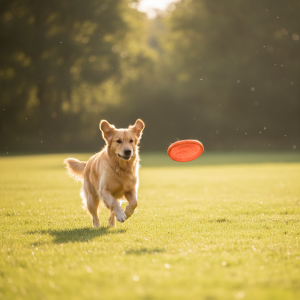
Chasers
Fast-moving games for dogs who love pursuit.

Cuddlers
Calm, connected activities to enjoy together.
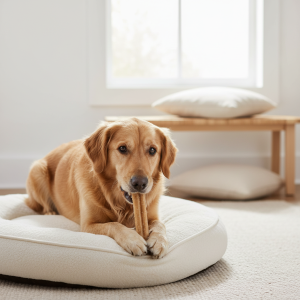
Chewers
Simple chew ideas for settling and engagement.

Foragers
Sniff, search, and nose work made easy.
Your dog’s brain called. It wants more games.
Drop your email and I’ll send fresh enrichment ideas, DIY activities, and behavior-smart tips you can use this week.

DN-CET | MS. PSY
Curated by a certified canine enrichment and behavior professional.
Pingback: Dog Anxiety: What You’re Missing + Enrichment That Helps
Pingback: Dog Enrichment: What It Is + Brain Games & Easy Enrichment Activities
Pingback: How To Identify Your Dog’s Play Style
Pingback: Natural Behaviors & Why Dog's Need Enrichment