Sit! And Bubble
Category: Sensory Enrichment • Active Play • Impulse Control • Level: All Dogs (beginner modifications included) • Time: 10–20 minutes
Category: Sensory Enrichment • Active Play • Impulse Control • Level: All Dogs (beginner modifications included) • Time: 10–20 minutes
Bubbles sound silly — and honestly, that’s part of why they work so well. But there’s real science underneath the fun.
When a dog chases and pops bubbles, they’re tapping into something genuinely hardwired: the prey drive. That flicker-and-float movement activates the same chase-and-pounce instinct your dog uses when they track a squirrel, stalk a toy, or lock eyes on something moving across the yard. Giving that instinct a safe, controlled outlet isn’t just entertaining — it’s genuinely enriching for their brain and their body.
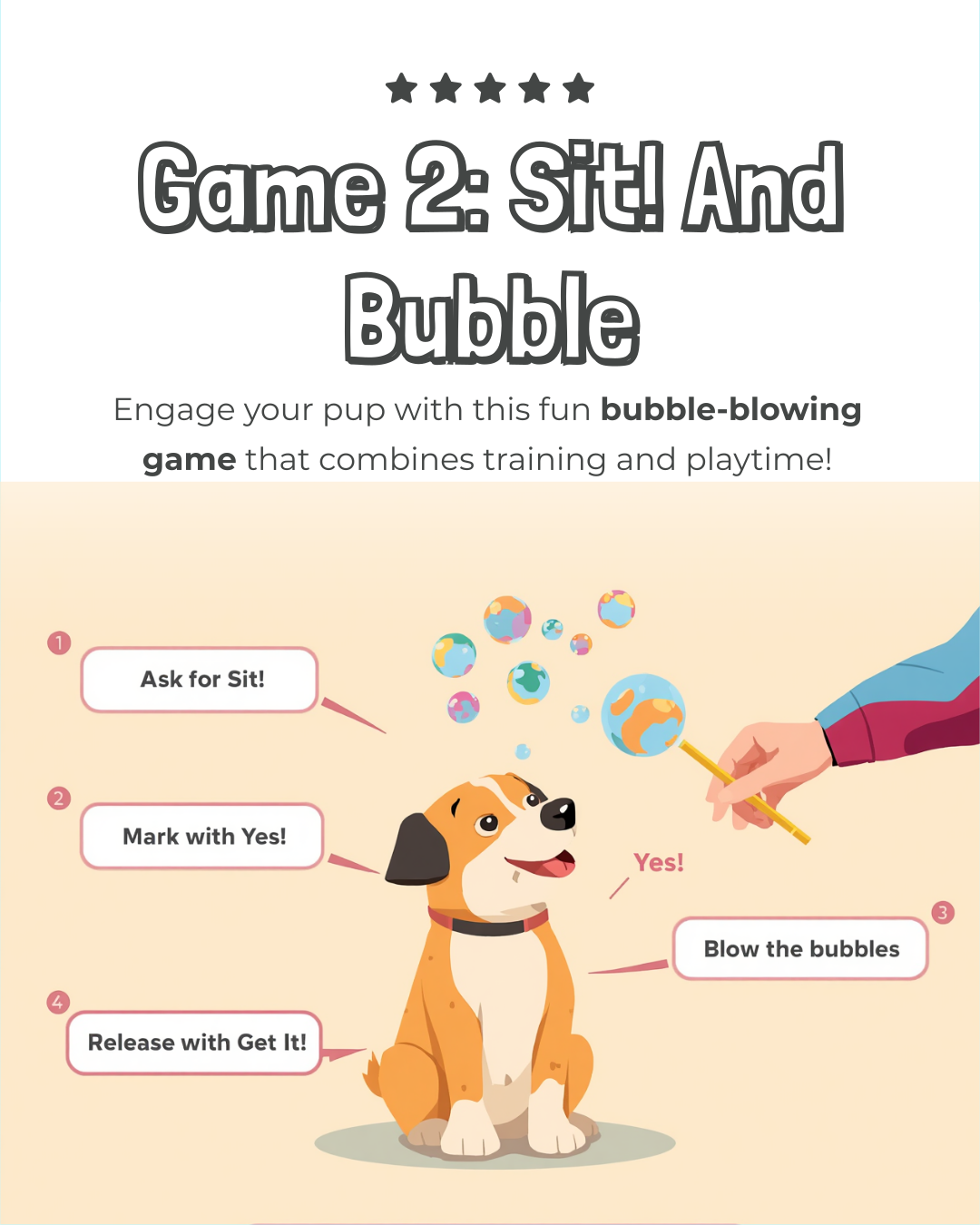
Now add a cue like “Sit” before each round of bubbles, and something even more interesting happens. Your dog learns that calm behavior unlocks the exciting thing. That’s impulse control — the ability to pause, regulate, and wait for the release — and it’s one of the most useful skills a dog can build. Not because you told them to be good, but because they figured out that being calm works.
This is enrichment running alongside real-world behavior science: movement, focus, coordination, impulse control, and bond-building — all wrapped up in something that costs about three dollars.

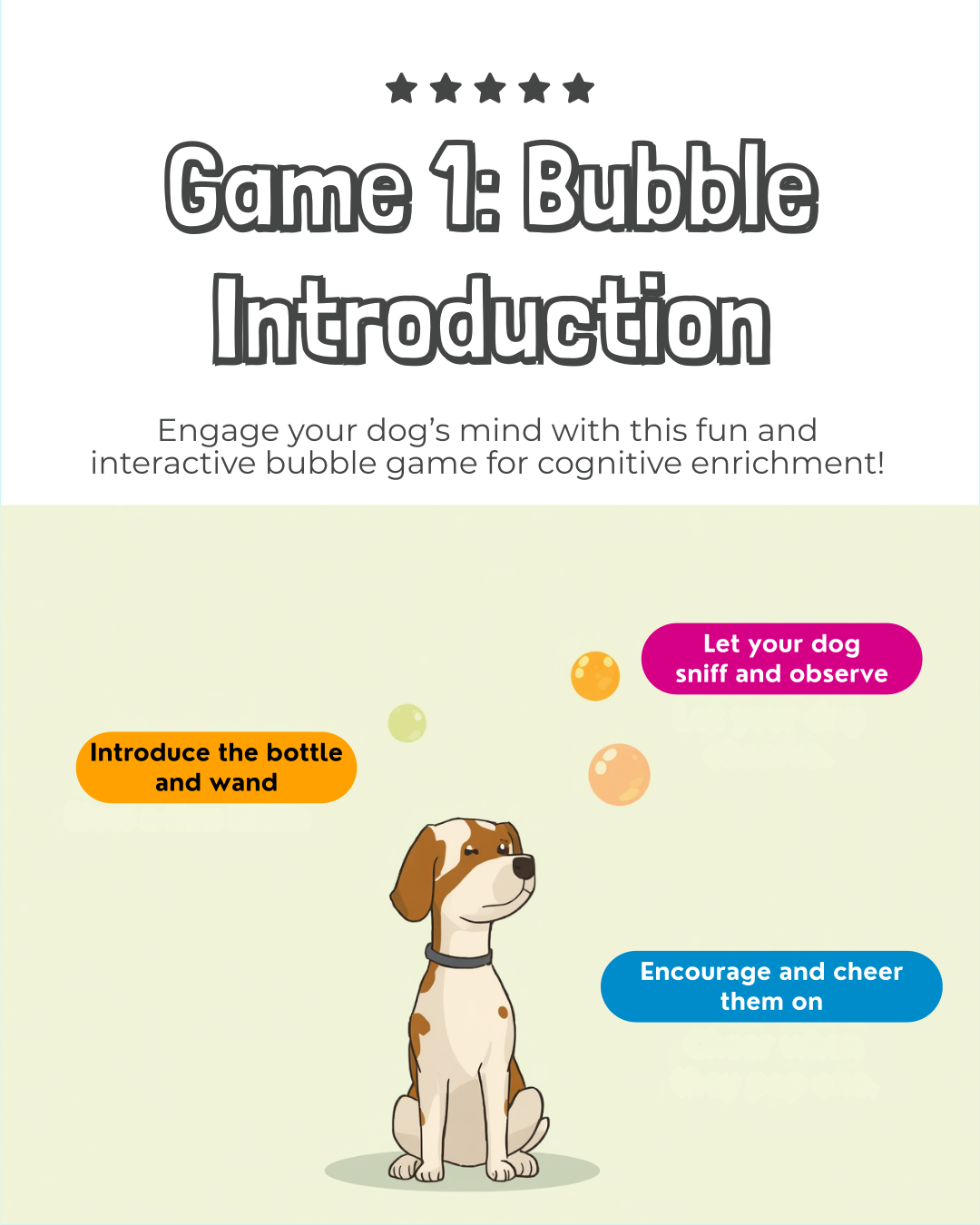
Before you add any cues, let your dog just meet the bubbles.
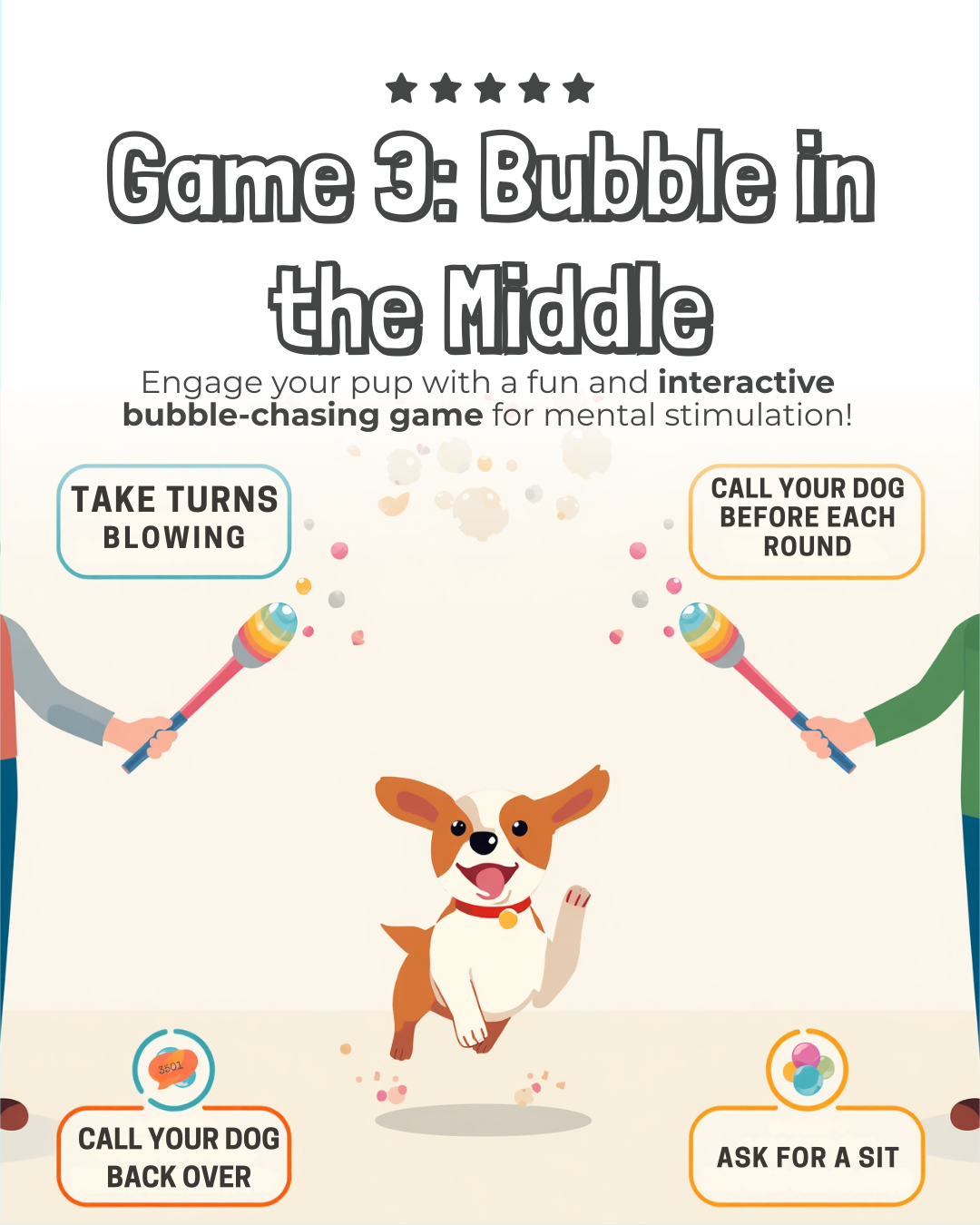
Grab a friend or family member for this one.
This is important — high-arousal play needs a landing zone.
If your dog is getting overstimulated — spinning, unable to sit even though they know how, barking between rounds — that’s information. Back up a step: fewer bubbles, longer pause between rounds, or a shorter session followed by the cool-down challenge earlier than planned.
Overstimulation isn’t a training failure. It’s just the dog telling you the arousal level got ahead of the learning. Bring it down and try again tomorrow. The game will still be there.
If your dog doesn’t have a reliable “Sit” yet — or if they know sit but lose it the moment something exciting is nearby — this is where to start before adding bubbles to the mix.
Step 1: Practice sit in a calm, distraction-free environment first.
The rule in behavior science: train a skill where it’s easy before you proof it where it’s hard. Kitchen with no bubbles in sight? Perfect. Backyard with something exciting nearby? Not yet.
Step 2: Only introduce the cue once your dog is performing the behavior reliably.
Repeating “Sit, sit, SIT” when your dog isn’t responding teaches them that the first “Sit” doesn’t really mean anything. Say it once, wait, help them if needed, reward when they get there.
Step 3: Add the bubbles as the reward — not a treat.
Once sit is solid in a calm environment, bring out the bubbles. Ask for the sit. The moment they do it, mark it and blow the bubbles. You’re using something they already want as the reinforcer — which makes the sit stronger, not weaker.
Step 4: Expect the sit to fall apart at first — that’s normal.
A dog who sits perfectly in the kitchen may completely forget how to sit the moment bubbles appear. This isn’t stubbornness. It’s generalization — the dog hasn’t learned yet that “Sit” means the same thing in high-excitement contexts as it does in calm ones.
Practice the sit with the bubble wand visible but not active, then with bubbles blown slowly, before adding full bubble chaos. Each step makes the cue more reliable in real-world conditions.
Step 5: Keep sessions short and end on a win.
3–5 minutes of focused Sit + Bubble practice beats 20 minutes of declining performance. Always end while your dog is still succeeding, even if that means stopping earlier than planned.
Want to make your own? Here’s a gentle, pet-safe version:
Ingredients
Instructions
Safety note: The ingredients are dog-safe, but eating too many bubbles can cause an upset tummy. Let them chase and pop — just keep consumption to a minimum, and always supervise bubble play.